
What is regenerative agriculture?
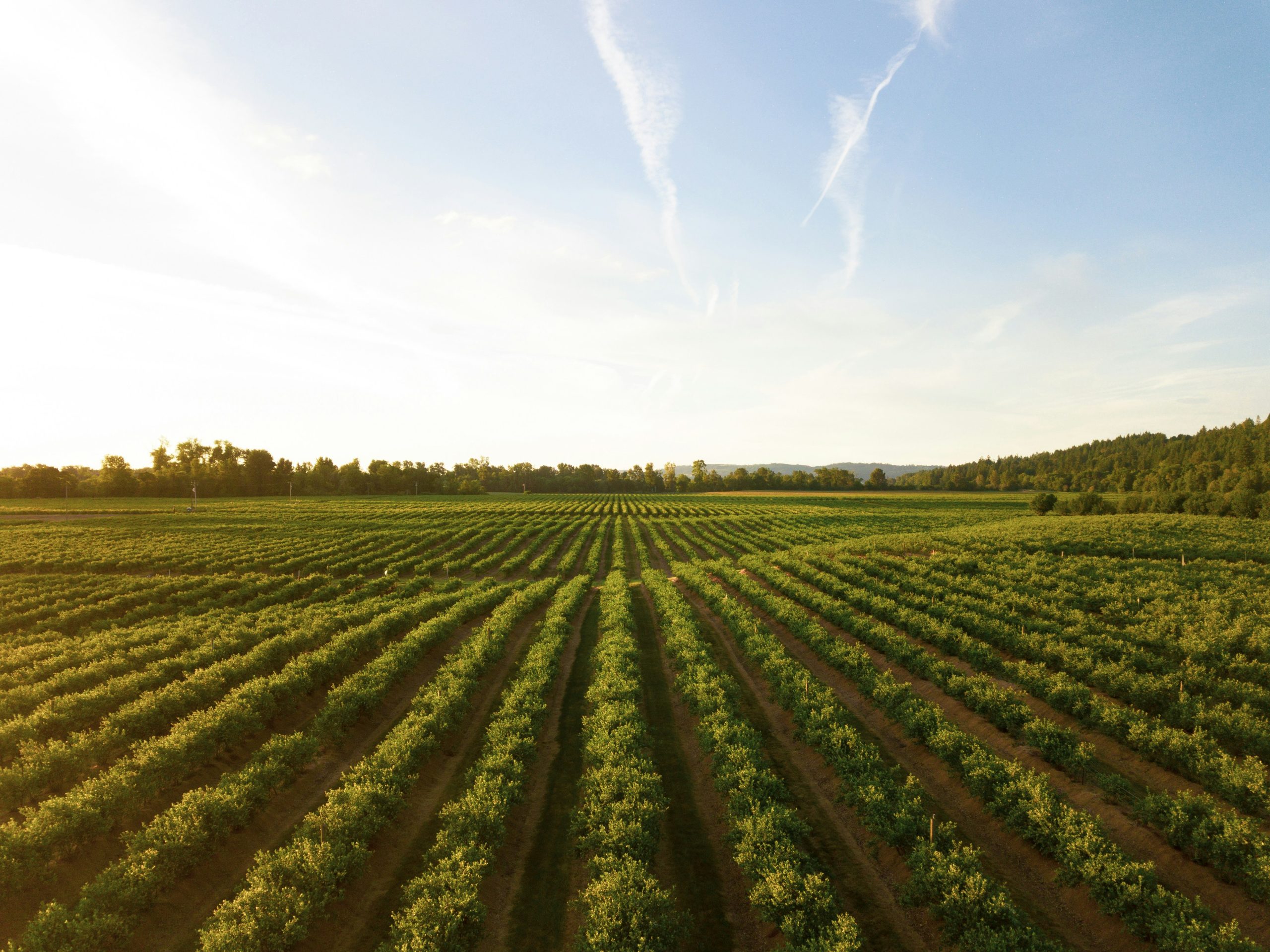
A new model for understanding sustainable agriculture
Today, regenerative agriculture is one of the most widely discussed approaches within sustainability and food production, as a response to challenges such as climate change, soil degradation and biodiversity loss. Its relevance is growing in the agricultural, agri-food and policy sectors, where it is promoted as a way to improve the resilience of production systems, also implying changes in production costs.
This growing interest has generated an increasingly broad debate around its practical application and its role in the future of the agri-food sector. In this context, several key questions arise: what is regenerative agriculture, what are its benefits and fundamental pillars, and what is its current situation in Spain and the Iberian Peninsula? To address these questions, we will begin by clarifying what is meant by regenerative agriculture.
What is regenerative agriculture?
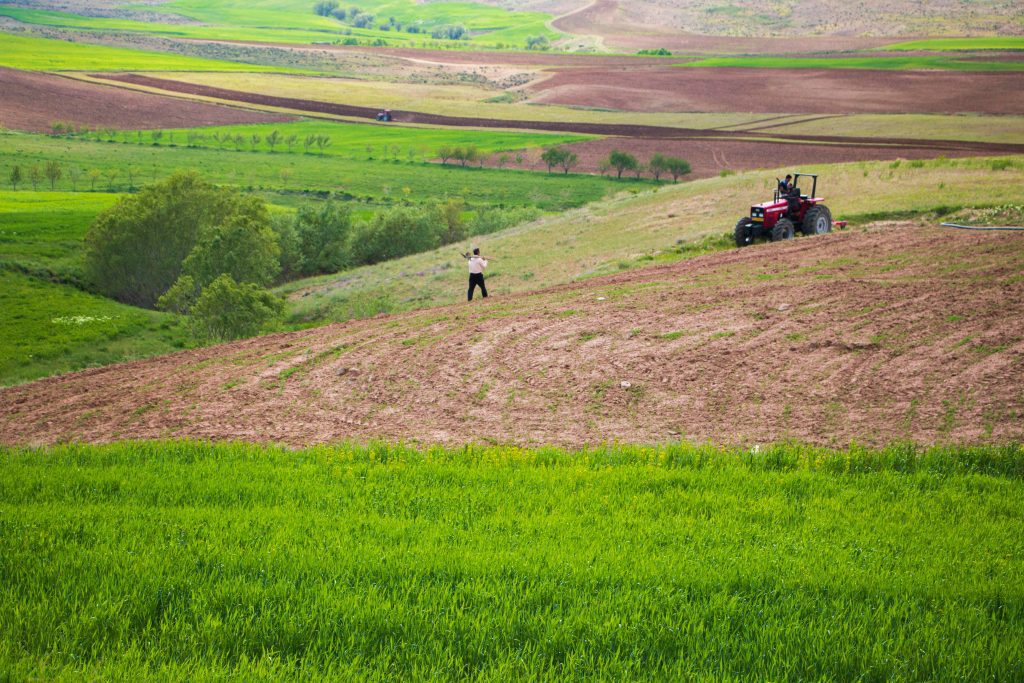
Regenerative agriculture is an agricultural production model that seeks to improve the functioning of the farming system by restoring the natural processes of the ecosystem, especially the soil, which is considered the central element of production.
This approach emphasises improving soil health, optimising natural cycles, increasing biodiversity, improving farmers’ quality of life and generating a positive climate impact by reducing emissions and increasing carbon sequestration, as the basis for long-term agricultural productivity.
Although regenerative agriculture is presented as a modern approach, many of its practices resemble traditional agricultural techniques, now reinterpreted through scientific and technological knowledge. The difference is that today they are applied in a controlled and optimised way, with a better understanding of the processes that support them. Examples such as crop rotation, the use of organic amendments or the integration of livestock are recovered as tools to improve soil fertility and the stability of agricultural systems.
The development of the modern regenerative agriculture model became consolidated between the late 19th century and the 20th century, in a context of increasing agricultural intensification. During this period, pressure on soils led to severe degradation processes. The Dust Bowl episode in the United States during the 1930s is a representative example, as it highlighted the consequences of inadequate soil management and promoted the development of new approaches to agricultural conservation and management (Rodale Institute).
In short, regenerative agriculture understands the farm as an integrated system in which soil, biodiversity and natural processes interact, and whose management determines the overall behaviour of the agroecosystem.
Benefits and pillars of regenerative agriculture
The benefits of regenerative agriculture are based on principles that guide agricultural management towards more stable and resilient systems.
These effects are structured around five fundamental pillars: soil, water, biodiversity, climate and the social dimension.
-
One of the main benefits is the improvement of soil health, which translates into an increase in organic matter, better soil structure and reduced erosion. These factors have a positive influence on both fertility and crop productivity in the medium and long term.
-
Water benefits from greater efficiency in its use, as well as improved infiltration and retention capacity in the soil, increasing resilience to periods of drought.
-
Biodiversity is strengthened through more diverse and balanced agricultural systems, helping to reduce pest incidence and dependence on external inputs, while improving the stability of the agroecosystem.
-
In relation to climate, these practices help reduce greenhouse gas emissions and increase carbon sequestration in the soil, supporting its role in climate change mitigation.
-
Finally, the social dimension is associated with improved conditions for farmers and greater stability of farms, strengthening the economic resilience of the agricultural system.
Regenerative agriculture in Spain and Iberia
According to the National Soil Erosion Inventory (INES), Spain loses on average more than 12 tonnes of fertile soil per hectare per year, and around 24% of the territory shows erosion levels that compromise long-term agricultural productivity. This situation especially affects crops such as olive groves, woody crops on slopes and rainfed cereals, which are key to the Spanish agri-food system.
It is associated with agricultural management based on intensification and the use of inputs to maximise short-term production, which has created a strong dependence on fertilisers, to the point that many farms are completely dependent on them. Their current high price puts the viability of many farms at risk.
Against this backdrop, regenerative agriculture is consolidating as an effective and proven response. Studies carried out by the Institute for Sustainable Agriculture of the CSIC indicate that this type of management provides greater production stability, improved farm profitability and clear progress in soil health indicators, even in contexts of high climate variability.
Significant progress is also being observed in crops such as olive groves, vineyards and rainfed cereals, where regenerative agriculture is gaining ground as a management approach aimed at improving the resilience of production systems to climate change in different areas of Spain.
At the Iberian level, regenerative agriculture also includes relevant experiences in Portugal, with Alentejo standing out for the implementation of agroforestry systems adapted to dry climates, aimed at simultaneously improving productivity, biodiversity and the land’s water retention capacity.
From principles to productive practice
The integration of regenerative agriculture principles into the day-to-day management of farms involves a gradual change, based on observing the agroecosystem and adapting agronomic decisions to each production context.
Although the transition requires time and technical adjustments, this approach improves system efficiency and strengthens economic stability in the medium and long term. In addition, regenerative agriculture represents a tangible economic opportunity for the Spanish agricultural sector by reducing dependence on inputs, stabilising yields and opening up new sources of value linked to sustainability.
Author
Flavia Piqueras
Sustainability Consultant
Sustainability consultant with experience supporting the design and implementation of projects focused on regenerative agriculture and compliance with the European Union Deforestation Regulation (EUDR). She has participated in initiatives that promote sustainable agricultural practices, supply chain traceability and adaptation to international regulatory requirements.


¿Cómo podemos ayudarte?
¿Tiene alguna pregunta sobre nuestros servicios? Estaremos encantados de ayudarle.