
The EU Packaging and Packaging Waste Regulation (PPWR) is here
The PPWR changes how any product is designed, packaged and marketed in the European Union.
We help you understand what applies to you, close your compliance gaps and prove conformity in time.
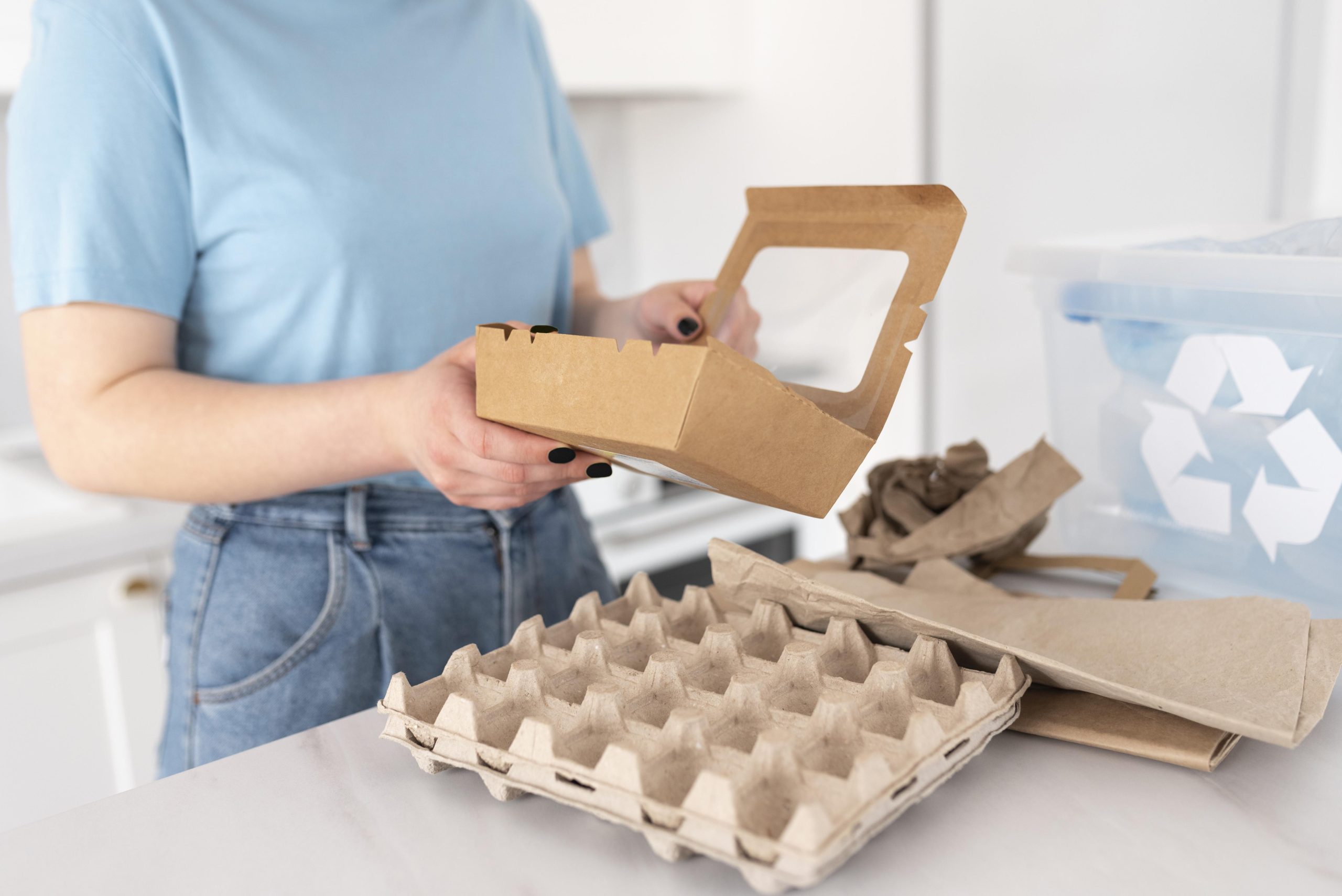


The EU has replaced its 30 year old packaging rules with a single, directly binding regulation. From 12 August 2026, every business that puts packaging on the EU market must meet new rules on recyclability, recycled content, reuse and labelling. This page explains what the PPWR is, who it affects, when it applies and how to get ready.
Sanctions
Up to €3.5M in Spain
Most serious breaches, under Waste Law 7/2022
Applies from
12 August 2026
General application
Who it affects
The whole value chain
Manufactures, imports, distributes or packages
Scope
All packaging
Plastic, paper, glass, metal and wood
What is it?
The Packaging and Packaging Waste Regulation, known as the PPWR, is an EU law that sets out requirements for all packaging placed on the EU market, regardless of the material or where it comes from.
It covers the full life cycle of packaging, from how it is designed and what it is made of, to how it is reused, collected, and recycled. It entered into force on 11 February 2025 and applies generally from 12 August 2026, replacing the old Packaging and Packaging Waste Directive 94/62/EC.
Who is affected
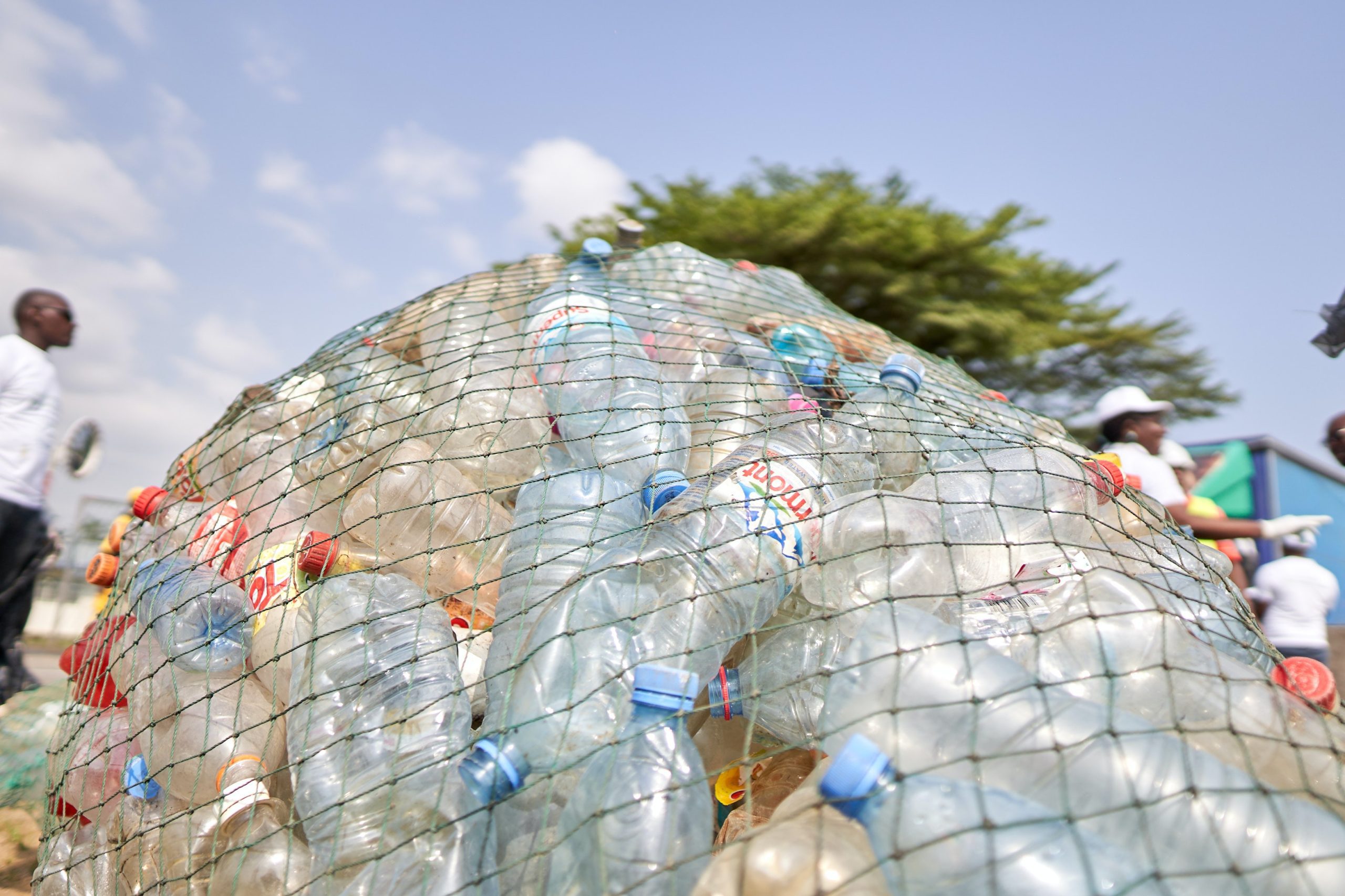
The PPWR reaches across the whole packaging value chain. If your packaging touches the EU market, you are almost certainly in scope.
-
Manufacturers
Manufacturers and brand owners that place packaged products on the EU market
-
Importers
Importers, who are treated as producers and carry direct legal responsibility for the packaging they bring in
-
Distributors
Distributors, retailers and online marketplaces
-
Packaging
Packaging producers and suppliers of packaging materials
-
Companies
Companies selling into the EU from outside it, through an authorised representative
Key obligations
The regulation sets binding requirements across design, materials and end of life. The main obligations are:
Recyclability
From 2030 all packaging must be designed to be recyclable and meet design for recycling criteria, graded A, B or C. Grade C is phased out by 2038.
Recycled content
From 2030 plastic packaging must contain minimum recycled content, ranging from 30% to 65% depending on the type of packaging.
Reuse and refill
Reuse targets apply from 2030, for example a share of beverages in reusable packaging, rising further by 2040. Take away businesses must let customers use their own container at no extra cost.
Packaging minimisation
Empty space and over packaging are restricted, and certain single use plastic formats, such as single portion sachets, are banned.
Substances of concern
Hazardous substances must be minimised, including restrictions on PFAS in food contact packaging above set thresholds.
Labelling and information
Harmonised labels on packaging composition and sorting, so consumers and waste operators can handle it correctly.
Extended producer responsibility
Producers, including importers, must register and finance the collection and treatment of the packaging they place on the market.
The PPWR’s key dates
Penalties for non-compliance in detail
Fine levels are set at national level, so exact amounts vary by country. The regulation only sets the principle that penalties must be dissuasive.
-
Each EU country sets its own penalties, which must be effective, proportionate and dissuasive, and must be in place by 12 February 2027.
-
Sanctions include administrative fines, especially for breaches on excessive packaging, banned formats and reuse and refill obligations.
-
Non compliant packaging can be refused or withdrawn from the market, cutting off sales in the EU.
-
Reputational damage and lost retail listings, as major buyers increasingly require PPWR ready packaging from suppliers.
-
Fine levels are set at national level, so exact amounts vary by country. The regulation only sets the principle that penalties must be dissuasive.

What organisations need to know
Getting ready for the PPWR is a cross functional project, not just a packaging design task.
Practical starting points include:
How Peterson helps you
We support you, step by step, in preparing a practical and traceable compliance system, backed by our experts and our technology.
Consultancy
We assess how the regulation applies to your products, sites and supply chain, identify the gaps against your current setup, and build a clear, prioritised roadmap to compliance. Our specialists translate the legal text into practical actions your teams can follow, and support you through documentation, evidence and audits.
Technology
We help you put the right tools in place to collect, manage and verify the data the regulation demands, from traceability and due diligence records to reporting and digital documentation. Our solutions connect your supply chain data so you can prove compliance quickly and keep records audit ready.
Training
We prepare your teams with practical, role based training so the people who handle sourcing, quality, packaging and compliance know exactly what is expected of them. We keep your organisation up to date as requirements and deadlines change.
Real supply-chain experience. Results that matter.
We combine up-to-date regulatory knowledge, hands-on field experience and our own technology to turn the complexity of the PPWR into a manageable process.
- 100+ years in supply chains — global presence in inspection, verification and traceability.
- PPWR dedicated team — specialists who continuously monitor the Regulation and its delegated acts.
- PTech integrated technology — our own platform for data, traceability and audit-ready documentation.
- Local trusted presence — practical, close consultancy, from diagnosis to long-term support.
Leading the PPWR service
Martin de Tezanos Pinto | PPWR Specialist
Supports manufacturers, importers and distributors in interpreting the PPWR, mapping roles and obligations, and preparing the conformity documentation.
Leading the PPWR service
María Baquero | PPWR Specialist
Chemical engineer with eight years of experience embedding sustainability into strategy and operations. She brings the technical rigour to translate PPWR obligations into packaging solutions that meet the requirements and create value.